

low iron glass
The Significance of Timber Fixed Brackets in Construction and Design Timber fixed brackets are an essential component in modern construction and design, providing both structural support and aesthetic appeal. These brackets serve as a crucial connection between various building elements, ensuring stability and integrity while enhancing the overall aesthetic of a project. Understanding the importance, applications, and benefits of timber fixed brackets can help architects, builders, and designers make informed choices that enhance both functionality and beauty in their projects. The Role of Timber Fixed Brackets Timber fixed brackets are designed to connect wooden beams, posts, and other structural components securely. They are typically crafted from durable hardwoods or engineered materials, allowing them to withstand significant loads while resisting warping and degradation. Their primary role is to offer support and stability, transferring loads from one structural element to another, which is particularly important in timber-framed construction where loads can be distributed unevenly. Moreover, these brackets can bear the weight of various architectural features such as canopies, overhangs, and valances. By strategically placing timber fixed brackets, architects and builders can create visually appealing designs while maintaining structural balance and integrity. Aesthetic Appeal Beyond their functional purposes, timber fixed brackets can significantly enhance the visual appeal of a building. They come in various styles, shapes, and finishes, allowing designers to choose an option that complements the architecture and overall design theme of a space. For instance, intricately carved brackets can add a touch of elegance to a traditional home, whereas sleek, minimalist designs may suit contemporary buildings. The natural beauty of timber, with its unique grain patterns and warm tones, can also contribute to the ambiance of a space. When exposed, timber fixed brackets can serve as a stunning feature, drawing attention to the craftsmanship and quality of the materials used . In this way, they become part of the overall design narrative, blending functionality with artistry. Versatility in Applications timber fixed bracket Timber fixed brackets are versatile and can be utilized in various applications across different sectors. In residential construction, they are commonly found in porches, balconies, and roof overhangs. In commercial settings, these brackets support canopies, shade structures, and signages, enhancing the functionality of commercial spaces while providing a warm and inviting atmosphere. In landscapes and gardens, timber fixed brackets can also play a role in the construction of pergolas, trellises, and other structures, allowing for a seamless integration of the built environment with nature. This versatility underscores the importance of timber fixed brackets, as they serve dual purposes in both interior and exterior design. Sustainability and Environmental Considerations With the growing emphasis on sustainable building practices, timber fixed brackets often stand out due to the renewable nature of wood. When sourced responsibly from sustainably managed forests, timber can be an eco-friendly alternative to steel and concrete. Using timber not only reduces the carbon footprint of a project but also enhances its thermal performance, contributing to energy efficiency. Additionally, timber has excellent insulating properties, helping to regulate indoor temperatures and reduce energy consumption in heating and cooling. By incorporating timber fixed brackets into a building's design, architects and builders can contribute to a more sustainable future while achieving aesthetic and functional goals. Conclusion In conclusion, timber fixed brackets play a pivotal role in modern construction and design, offering a perfect blend of strength, support, and beauty. Their ability to enhance structural integrity while providing aesthetic value makes them invaluable in various applications, from residential to commercial projects. Furthermore, the sustainability of timber as a material aligns with contemporary environmental consciousness, allowing for responsible building practices. As architects and builders continue to explore innovative design solutions, the significance of timber fixed brackets will undoubtedly grow. By understanding their multifaceted benefits, designers can create spaces that are not only functional and structurally sound but also visually captivating and environmentally friendly. As we continue to evolve in our approach to architecture and construction, timber fixed brackets will remain a cornerstone of thoughtful, sustainable design.
about
low iron glass
Magnetyczne Bloki V Zasady Działania i Zastosowanie w Przemyśle Magnetyczne bloki V, zwane również blokami magnetycznymi, to urządzenia, które znalazły szerokie zastosowanie w przemyśle oraz warsztatach mechanicznych. Ich głównym celem jest stabilizacja oraz mocowanie różnych elementów metalowych podczas obróbki, co pozwala na precyzyjniejsze wykonanie prac. W tym artykule przyjrzymy się zasadom działania magnetycznych bloków V oraz ich zastosowaniom. Zasada Działania Działanie bloków magnetycznych opiera się na wykorzystaniu siły magnetycznej. Wewnątrz bloku znajduje się silny magnes trwały, który generuje stałe pole magnetyczne. Kiedy blok jest włączony, magnetyzm przyciąga metalowe przedmioty, co umożliwia ich stabilne mocowanie. Bloki te mogą być aktywowane za pomocą dźwigni lub przełącznika, co pozwala na szybkie ich włączanie i wyłączanie w zależności od potrzeb użytkownika. Bloki V charakteryzują się specyficznym kształtem, który przypomina literę V. Taki kształt pozwala na umiejscowienie przedmiotu w optymalnej pozycji, co ułatwia obróbkę. Dodatkowo, bloki te są wykonane z materiałów odpornych na duże obciążenia, co gwarantuje ich długotrwałe użytkowanie nawet w trudnych warunkach. Zastosowanie W Przemyśle Magnetyczne bloki V znalazły zastosowanie w wielu dziedzinach przemysłu, przede wszystkim w obróbce metali . Oto kilka przykładów ich zastosowania 1. Spawanie Bloki magnetyczne są niezwykle przydatne podczas spawania, ponieważ pozwalają na stabilne mocowanie elementów w odpowiednich pozycjach. Dzięki temu spawacz może skoncentrować się na pracy, mając pewność, że elementy nie będą się przemieszczać. magnetic v block working 2. Frezowanie i Toczenie W procesach obróbczych takich jak frezowanie czy toczenie, bloki V umożliwiają precyzyjne trzymanie elementów. Dzięki swoim właściwościom magnetycznym, blok V utrzymuje przedmiot w stałej pozycji, co zwiększa dokładność obróbki. 3. Montowanie i Demontowanie W sytuacjach, gdzie konieczne jest szybkie mocowanie i demontowanie elementów, bloki magnetyczne sprawdzają się doskonale. Ich łatwe włączanie i wyłączanie pozwala na oszczędność czasu i zwiększa efektywność pracy. 4. Testowanie i Inspekcja W laboratoriach czy podczas inspekcji jakości, magnetyczne bloki mogą być używane do stabilizowania próbek. Dzięki nim możliwe jest dokładne wykonanie pomiarów oraz testów bez ryzyka przemieszczenia próbek. 5. Transport elementów W przypadku transportu dużych komponentów metalowych, bloki V mogą być używane do ich mocowania. Ułatwia to przemieszczanie oraz zmniejsza ryzyko uszkodzeń. Zalety Magnetycznych Bloków V Korzystanie z magnetycznych bloków V ma wiele zalet. Po pierwsze, ich użytkowanie przyczynia się do zwiększenia efektywności procesów produkcyjnych dzięki skróceniu czasu potrzebnego na mocowanie elementów. Po drugie, precyzyjne trzymanie przedmiotów zmniejsza ryzyko pomyłek i wad produkcyjnych. Dodatkowo, bloki te są łatwe w obsłudze i nie wymagają skomplikowanej konserwacji. Podsumowanie Magnetyczne bloki V to niezastąpione narzędzia w nowoczesnym przemyśle. Ich zasady działania oparte na sile magnetycznej oraz różnorodność zastosowań sprawiają, że są one niezwykle użyteczne w różnych procesach produkcyjnych. Dzięki nim prace związane z obróbką metali stają się bardziej precyzyjne, szybkie i efektywne. W miarę postępu technologicznego możemy spodziewać się dalszego rozwoju i udoskonalenia tych innowacyjnych narzędzi, co niewątpliwie przyniesie korzyści dla przemysłu i rzemiosła.
-

High quality industrial productsagement

High quality industrial products
View Details -

Meet the diverse needs of customers

Meet the diverse needs of customers
View Details -

Strict quality control

Strict quality control
View Details -

Top raw materials

Top raw materials
View Details -

Trusted supplier

Trusted supplier
View Details
Our application



news and information
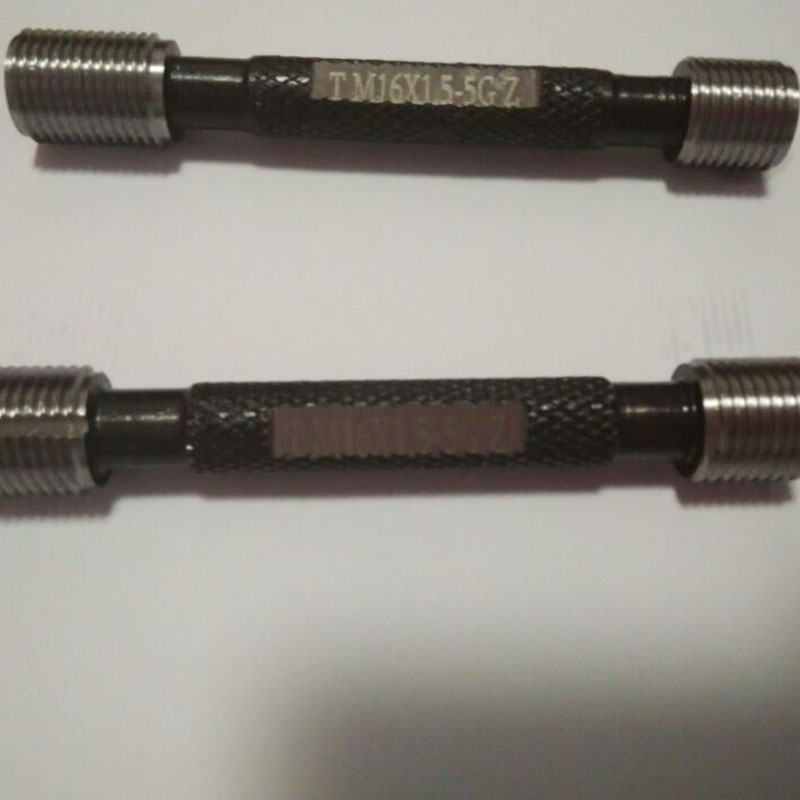
y type filter
Understanding Y-Type Filters A Comprehensive Overview In the intricate world of fluid dynamics and s
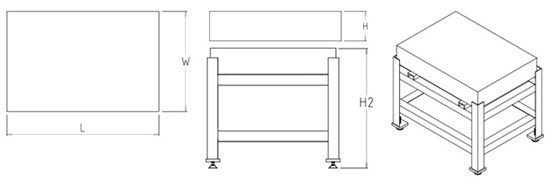
Versatile DIY Welding Table for Home Projects and Metal Fabrication
The Ultimate Guide to Home Welding Tables Home welding has gained immense popularity in recent years
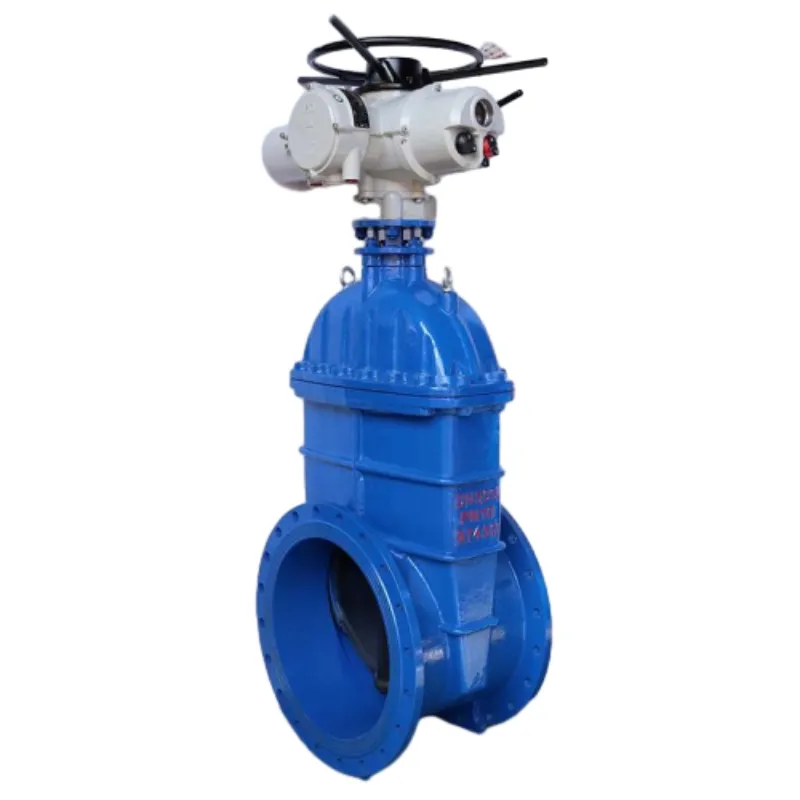
which way is open on a water valve
Understanding Water Valve Orientation Which Way is Open? Water valves are crucial components in plum
 English